This edition focuses on concrete and pioneering initiatives that show how leather can be part of a circular and creative approach.
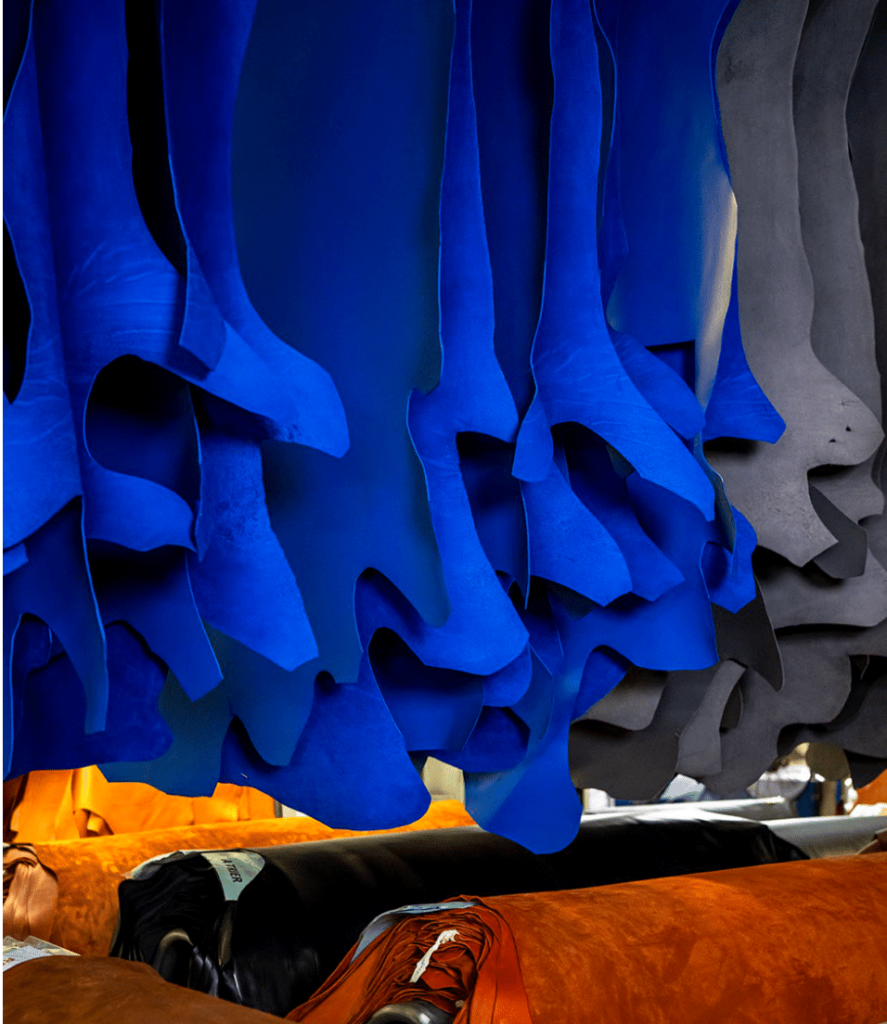
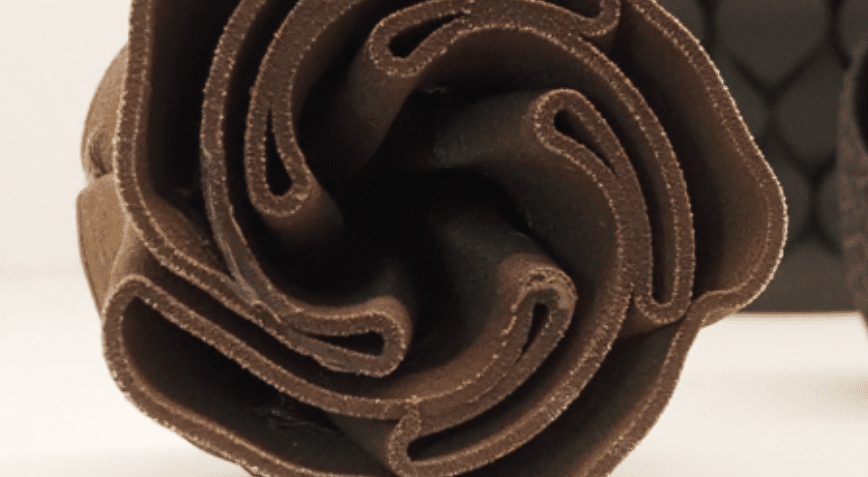
As part of our series of meetings, the Circular Creation working group of the Circular Fashion Federation continues its exploration of natural materials and local sourcing. After discussing cotton, linen, hemp, and wool, this fourth meeting focuses on a material as precious as it is controversial: leather.
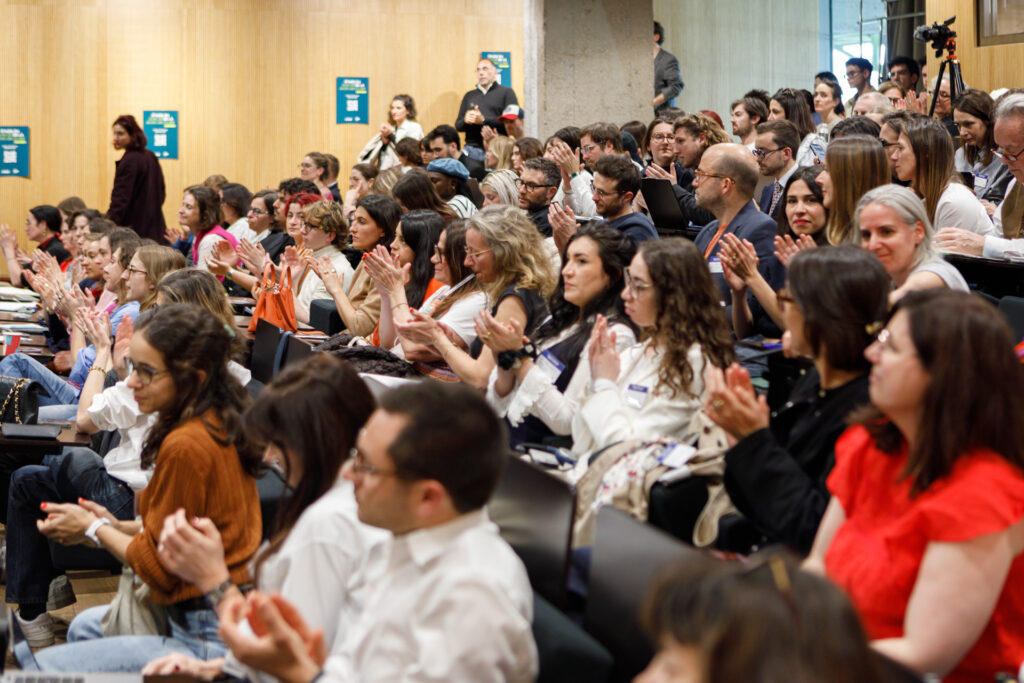
On April 3, 2025, at the French Fashion Institute, the Circular Fashion Federation organized the third edition of Circular Fashion Day, a moment that has become essential for all stakeholders involved in the transition of the textile industry.
This edition focuses on concrete and pioneering initiatives that show how leather can be part of a circular and creative approach.
As part of our series of meetings, the Circular Creation working group of the Circular Fashion Federation continues its exploration of natural materials and local sourcing. After discussing cotton, linen, hemp, and wool, this fourth meeting focuses on a material as precious as it is controversial: leather.